Here we outline some key dietary antioxidants:
Vitamin E: a fat-soluble vitamin, it is one of the most important antioxidants; it helps to protects cell membranes from damage by free radicals. Vitamin E is particularly important for exercising horses as it helps to support muscle health and reduce the risk of tying up. Vitamin E supplementation is also recommended for the prevention and as part of the treatment for protozoal myeloencephalitis (EPM), equine degenerative myelonencephalopathy (EDM), and equine motor neuron disease (EMND).
Selenium: a trace mineral that works together with Vitamin E and is an integral component of the antioxidant glutathione peroxidase. Selenium is particularly beneficial for horses prone to tying-up and is used in the prevention and treatment of EMND and White Muscle Disease. Selenium can be toxic if fed in excess so you should always check with your nutritionist before adding additional selenium to your horse’s diet.
Vitamin C: acts as an antioxidant helping to neutralise free radicals and also aid in regeneration of the Vitamin E, thereby restoring its antioxidant capacity. Horses in good health can synthesize Vitamin C and over supplementation will lead to any excess being excreted by the body and may down-regulate the body’s own natural production. Long-term supplementation of very large amounts of Vitamin C is not recommended for most horses. However, some horses such as those prone to, or suffering from, respiratory problems may benefit from an appropriate level of Vitamin C supplementation.
Ubiquinol CoQ10: Recent research has focused on Coenzyme Q10, the only endogenously synthesised lipid-soluble antioxidant. Horses have evolved over thousands of years as free ranging pasture grazers and can consume herbage for to 20 hours per day. Pasture grasses and legumes naturally contain Ubiquinol CoQ10, so stallions managed with modern husbandry are likely receiving less than the necessary daily intake. In addition, we know that production of CoQ10 within the body is a relatively slow process and often not sufficient to replenish stores in horses that are at risk of high levels of oxidative stress, such as performance and breeding horses. The Ubiquinol CoQ10 molecule is bioidentical to what the horse’s produce themselves, thus does not require conversion in the small intestine and is ready for the body to use. Read more about Ubiquinol CoQ10 here.
More information about antioxidant and how they can benefit your horse can be found here.
If you’ve got a question about feeding your mare, get in touch with our expert team.

#FeedYourDesireToWin
Related Articles
Contact our sales team via WhatsApp or email
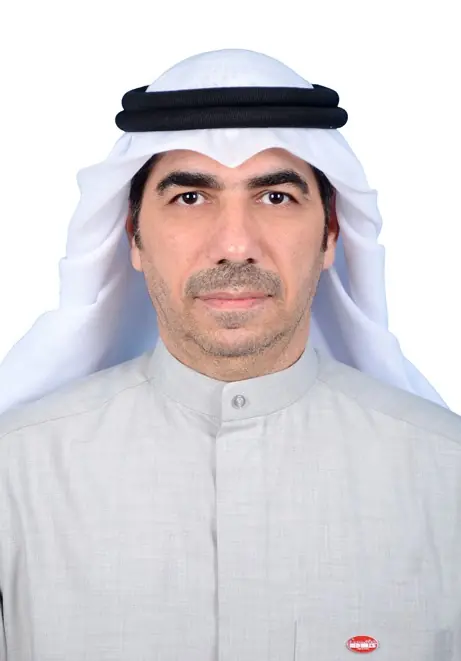
Mohammad Agha
Senior Sales Consultant | Arab Markets
Mohammad Agha serves as the Senior Sales Consultant for Connolly’s RED MILLS Group, representing a prestigious portfolio of products including Connolly’s RED MILLS horse feeds, Foran Equine Supplements, and Carr & Day & Martin Equine care products

Sanjay Reddy
Regional Manager MENATI (Middle East, Turkey, India)
Sanjay Reddy, Regional Sales Manager MENATI (Middle East, Turkey, India) Sanjay has worked with Connolly's RED MILLS since 2012 and is the senior regional manager for the Middle East. Turkey and India. Get in touch for advice about our range of horse feeds and supplements.