What is the best mash for horses? Should you feed a bran mash? How can mash help your horse hydrate while travelling or put on extra condition and weight gain? Here is a go-to-guide on everything you need to know about mashes for horses!
What is a traditional mash?
A feed that is soaked prior to feeding is referred to as a mash. Traditional bran mashes were once a popular choice for sick/convalescing horses or following a day of heavy exercise. It was believed that this helped to aid recovery and prevent digestive upsets such as colic.
However, we now know that infrequently feeding a bran mash may have a negative effect as sudden changes to the diet can cause digestive upset. This is not desirable at any time and arguably least of all after a period of hard work when the aim is to aid recovery.
We should also bear in mind that bran contains approximately 10 times more phosphorus than calcium! So, feeding bran mashes, particularly if fed in large amounts and without appropriate calcium supplementation, can also lead to mineral imbalances in the diet.
Thankfully, bran mashes have now fallen out of favor as more nutritionally balanced alternatives mashes are available. So when should you consider adding a mash to your horses’ diet and what ingredients should you look out for when choosing a mash to ensure it is balanced?

- Appetite stimulation: Who doesn’t love to watch their horse getting his nose dirty while eating a warm mash?! Both our Comfort Mash and Horse Care Mash are exceptionally palatable and will tempt even the fussiest horse. As well as high quality ingredients both feeds contain added B-vitamins, to help stimulate and maintain your horse’s appetite. Feeding a mash can also be an ideal way to disguise any supplements or medicines your horse needs.
- Hydration: As Comfort Mash and Horse Care Mash are designed to be fed soaked, they will help to increase your horse’s water intake. Both products also contain added electrolytes. Feeding Comfort Mash or Horse Care Mash during the warmer summer months will help to replace fluid and electrolyte losses. Equally, in the winter the diet tends to become drier as grass is often replaced with hay, plus horses tend to find cold water less appealing and may consume less in the wintertime, resulting in reduced water intake which increases the risk of impaction colic. By feeding Comfort Mash or Horse Care Mash you will help to improve your horse’s fluid intake.
- Easy to chew: Horses that have previously suffered an episode of choke may need a soft, easy to swallow feed. Comfort Mash or Horse Care Mash are ideal in these situations as, when soaked, it provides a soft textured, easy to chew ‘porridge’.
- Supports the immune system: Both Comfort Mash and Horse Care Mash are fully balanced with vitamin and mineral package, including the added antioxidants vitamin E and selenium, to help support immune function.
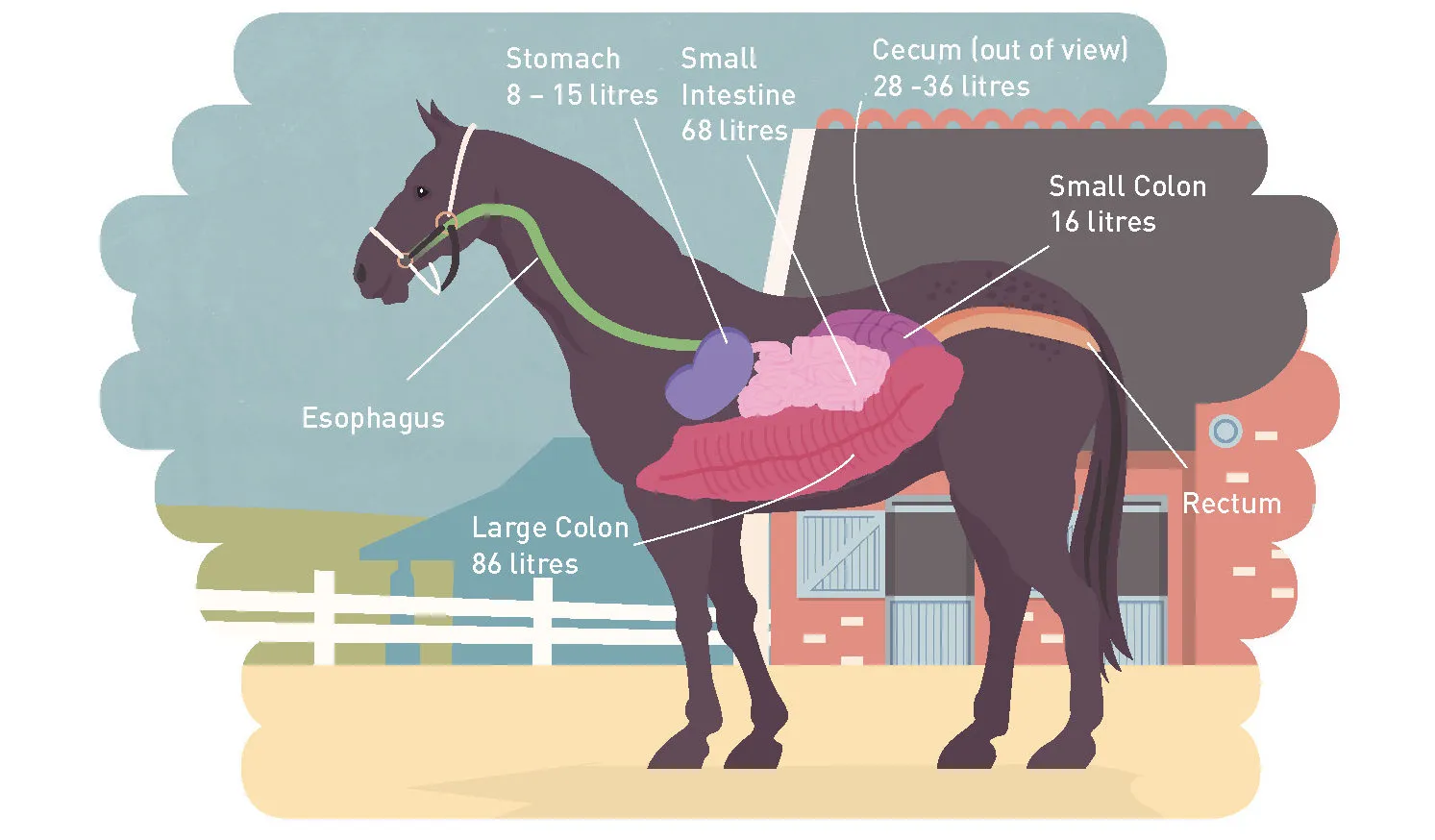
- Supports digestive function: Comfort Mash includes cereals that have been steamed cooked to help maximise digestive efficiency. For horses needing a low starch, cereal grain free diet Horse Care Mash is ideal and contains a number of ‘super fibers’ including soya hulls and alfalfa. These highly digestible fiber sources help to support digestive health. Horse Care Mash has the added benefit of our Nutrition Care package which includes additional beneficial ingredients to support your horse’s digestive health including yeast, prebiotics and a natural long-lasting gastric buffer.
- Aids condition: Both Comfort Mash and Horse Care Mash are high in oil, including linseed an excellent source of omega-3 fatty acids, for extra condition and shine. They both also contain quality protein to support muscle development, as well as key vitamins and minerals to help promote a healthy, glossy coat.
Comfort Mash and Horse Care Mash are easy to prepare; simply mix with warm water, according to the feeding directions and leave to soak for 15 minutes, then stir and feed. Unlike some other mashes for horses, Comfort Mash and Horse Care Mash are nutritionally balanced so can be fed as either the sole hard feed or to replace part of your horse’s normal ration daily.
Comfort Mash: A cereal based mash ideal for supporting optimum condition and post-exercise recovery. Ideal for fussy eaters and those needing a feed with more fast release energy. Fully balanced with Connolly’s RED MILLS Pro Balance vitamin and mineral package.
Horse Care Mash: A cereal grain free, high fiber conditioning mash. Ideal for horses needing a low starch diet, including those prone to gastric ulcers. Alongside a fully balanced vitamin and mineral package, Horse Care Mash also contains additional beneficial additives including therapeutic levels of biotin, vitamin C to aid immune function, prebiotics and probiotics to support hindgut health, chelated minerals and organic selenium for optimum adsorption, and a natural gastric acid buffer to support stomach health.

Your Questions Answered
Many low starch mashes still contain cereals such as maize, oats or barley. Horse Care Mash is completely cereal grain free; it’s one of the lowest starch, nutritionally balanced mashes available. It also doesn’t contain any by-products such as wheatfeed, oatfeed, or nutritionally improved straw. Instead, we use highly digestible fibres such as alfalfa and beet pulp.
Compared to other nutritionally balanced mashes Horse Care Mash has one of the lowest starch contents. With no added cereals it contains just 7% starch.
This means that Horse Care Mash certified according to BETA Feed Approval Mark for feeds suitable for horses and ponies prone to gastric ulcers and has undergone a stringent three-stage application process, which includes the examination of ingredients, labelling, marketing claims and independent laboratory analysis. Certificates are only issued for feeds that are particularly low in sugar and starch and therefore suitable to feed, as part of a balanced diet, to horses and ponies prone to gastric ulcers.
Feeding Horse Care Mash helps to increase water intake and aids hydration, it also contains added electrolytes. This can be particularly beneficial in the warmer summer months when horses often sweat more. Maintaining water intake over the winter months is also very important especially when horses are in for longer periods of time eating conserved forages such as hay which have a significantly lower water content compared to fresh grass.