There are various different energy sources used in the formulations of feeds, some are fast release ‘buzzy’ types of energy sources eg cereal grains, and some are slow release ‘calm’ types of energy sources eg fibers and oils. And even within those groupings energy provided can vary eg oats differs to barley, barley differs to maize, and with fibers, beet pulp, alfalfa meal and soybean hulls provide excellent energy sources, whereas fiber sources such as oat hulls and straw do very little. All horses are different, and some can respond very differently to others to the energy source provided in the diet. Look at the ingredient listing on the feed label and chose a feed that might suit your horse.
Sugar
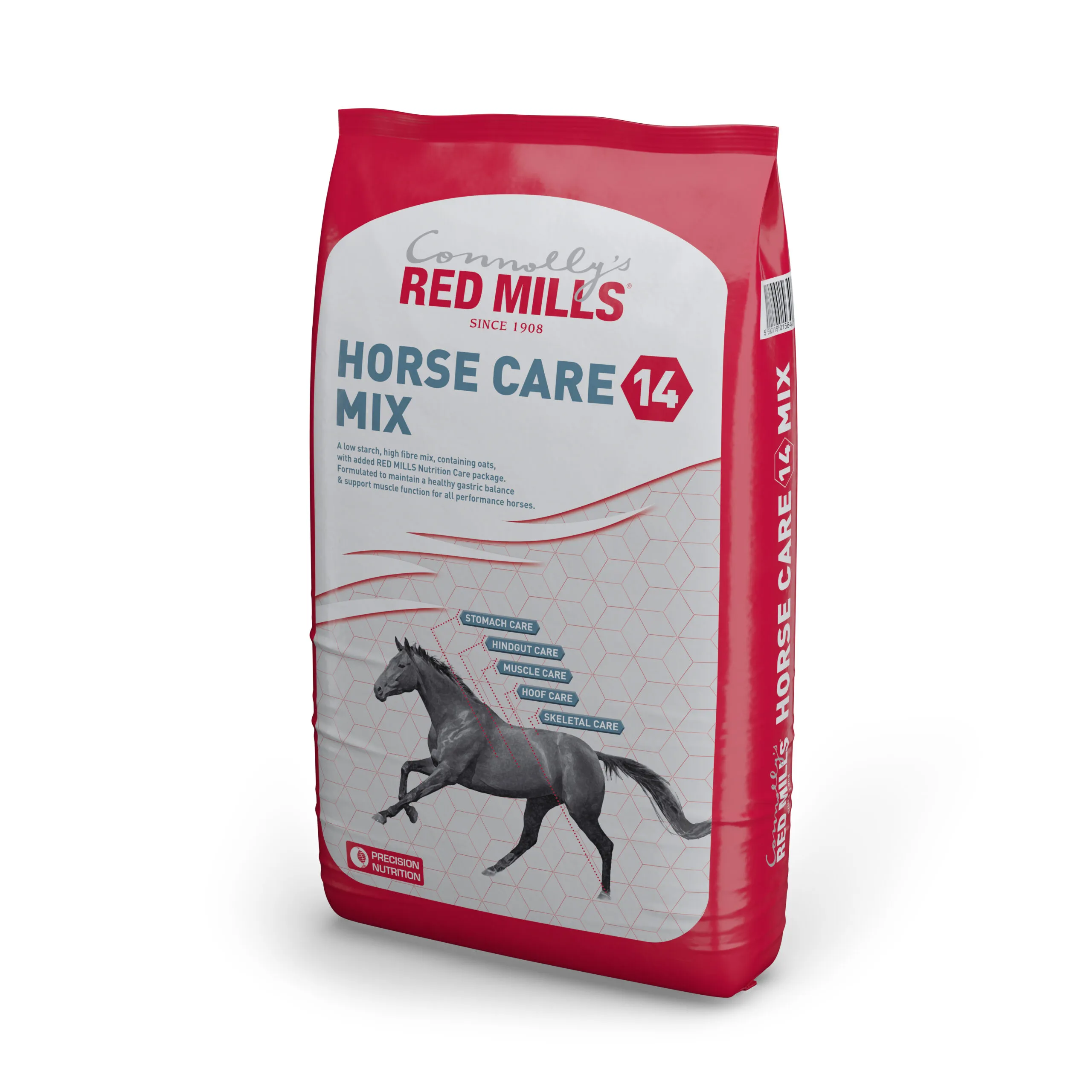
Sugar is a necessary fuel source for the fast twitch explosive type muscles. A diet too low in sugar and starch can leave the horse with depleted fuel reserves for these types of muscles and performance can be affected. Sugar and starches get a lot of bad press, but horses actually have a high tolerance for sugar and starch. In nature they can consume copious amounts, but this is gradually consumed over 24 hours. The issue with starch is not necessarily the amount of starch we’re feeding but in how we’re feeding it. If feeding a cereal rich feed always ensure the cereal grains are cooked, this in effect ‘predigests’ the grain for the horse, helping with overall digestion and helping reduce the occurrence of starch related issues. Always ensure there are a variety of cereal grains in the formulation, all grains have different digestive rates, by spreading the release of the sugars can help minimize upsets occurring. And most importantly never feed a cereal based meal in large amounts, if you need to feed your horse a lot make sure to split up feeds and spread them out over the course of the day.
Product Suggestion
Fiber
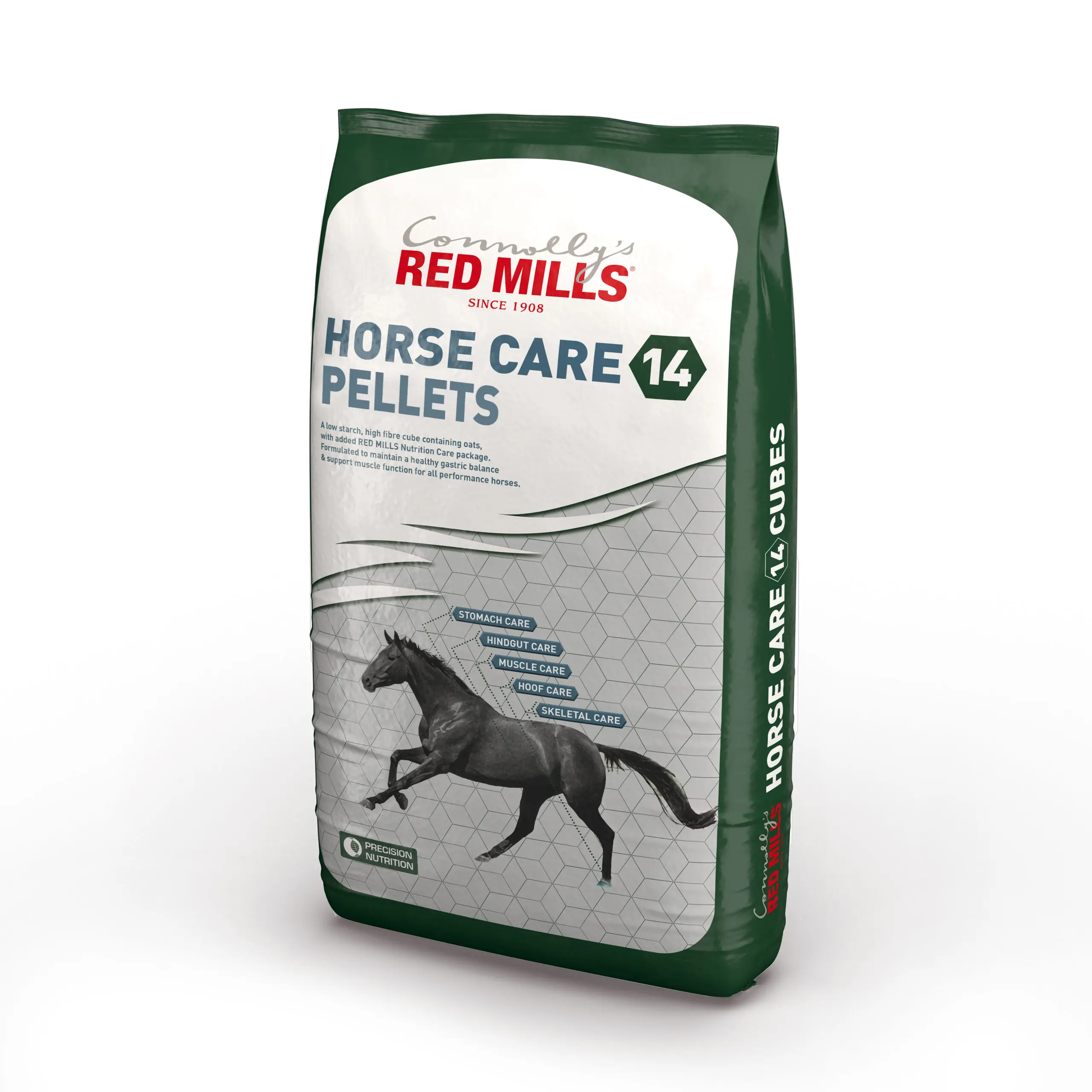
Fiber is often over-looked as an energy source in the horse’s diet and is normally associated with gut health, being a feed filler, helping keep the horse bulked up, giving the horse something to chew on, etc. But some fibers are excellent energy sources and can provide as much energy as any cereal grain. These fibers are actually called ‘super fibers’ because of the amount of energy they can provide, and should not be mistaken with common industry by-products and feed fillers such as oat feed, oat hulls, nutritionally enhanced straw, etc. These do little in providing energy to the horse’s diet.
The difference in sugars and starches is in how the energy is provided, as in the length of time it takes to break down and release the valuable calories and have them available for use. With cereal this process is quite quick, and the sugars are released in a matter of hours. For fibers and oils this process is quite lengthy and it takes much much longer. For this reason, we class sugars and starches as ‘fast release’, and fibers and oils as ‘slow release’ energy sources.
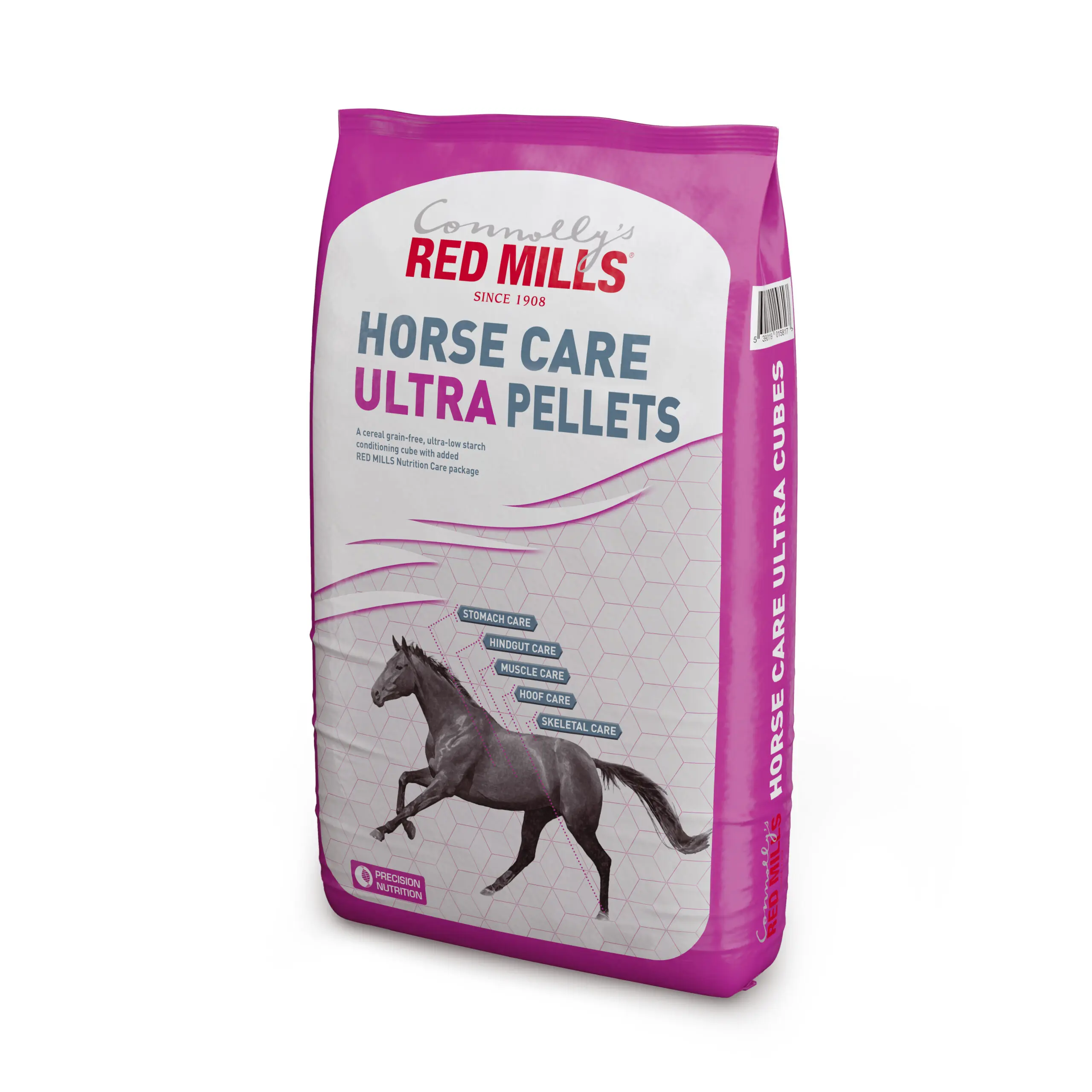
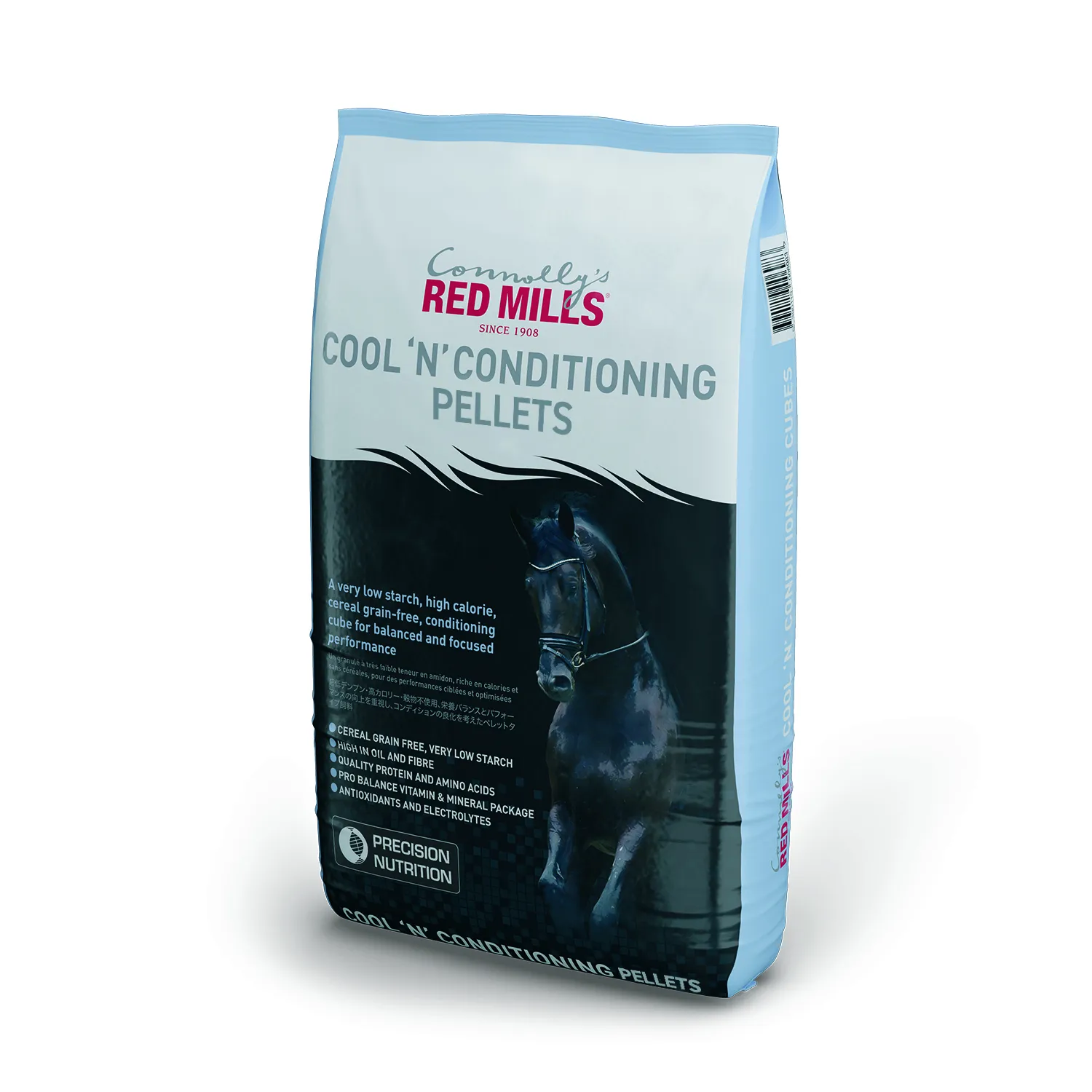
But being slow release or fast release does not mean one is less in energy than the other, both processes provide similar energy levels, the question is which suits your horse. Some horses need a starch rich cereal based diet, some need a fiber rich oil based diet, and some do very well on a mixture of both. For horses that are starch sensitive this slow release of energy can give a more focused performance and is ideal for horses that tend to be too hot or excitable. And for some horses with sensitive digestive tracts or predisposed to muscle issues starch rich cereal based diets should be avoided and fiber rich oil based diets used instead.
Product Suggestion
Check out more articles from our Nutritional Experts
Read more on low energy and possible hindgut issue….
Read more on nutrients involved in red blood cell production…
Read more on my horse is lacking in energy what can you suggest….