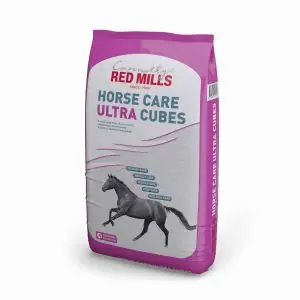

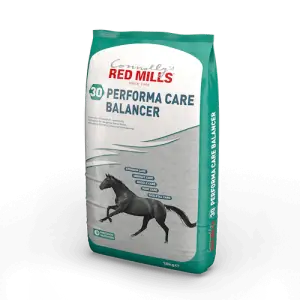


Reducing The Risks Of Naturally Occurring & Other Prohibited Substances (NOPS) In Your Yard
Both the International Federation Equestre Internationale (FEI) and the International Federation of Horseracing Associations (IFHA) prohibit certain substances in horses competing in equine sports.
At Connollys Red Mills laboratory we test all our incoming raw materials and our finished horse feeds for the substances listed below:

Steps to reduce the risk of NOPS:
The list of NOPS is an extensive one, including caffeine, morphine, atropine, scopolamine, theobromine and hordenine, as well as herbal NOPS. Potential sources of NOPS include pasture, conserved forage, feed, supplements and anything else the horse may eat, intentionally or not!
However, don’t panic, there are a number of things that you, and your staff, can do.
Our Thoroughbred Specialist, John Mathias, outlines some of the main steps he uses on his own Racing yard to reduce the risk of NOPS:
Look for the BETA NOPS logo on feed/supplements. This shows that the manufacturer is part of the BETA NOPS quality assurance scheme designed to help reduce the risk of contamination with naturally occurring substances.
| If the BETA NOPS logo isn’t displayed on the packaging, contact the company to ensure that they test for the presence of NOPS. |
| Not all countries have the same rules regarding NOPS, so be extremely cautious if buying products made further afield. |
| Ensure that your staff are fully trained on NOPS and how to avoid them. For larger yards, Connolly’s RED MILLS nutrition team are available to offer NOPS training for your staff*. |
| Remember that any herbal ‘treatments’ should be recorded in the same way as medication and should only be given under veterinary advice. These can carry the highest risk for NOPS positives and are often overlooked! |
| Only source and buy good quality forages from a reputable supplier and check your pastures regularly. Weeds such as poppies, lupins or nightshade can be a source of NOPS. |
| Keep labels, records and/or delivery notes, which have the batch number of any feed or supplement bought. This information will be essential if a problem with prohibited substances |
| Although your feed/supplement supplier will retain samples of their product, it is ‘best practice’ that you also take samples in the unlikely event that they are needed as part of an investigation. Samples should be kept, alongside their batch numbers, in a cool, dry area for two months after they are fed. |
| Store horse feed separately to feed for other animals. Feed intended for other species, where NOPS are not a concern, could lead to potential cross-contamination. |
| Never eat or drink in the stable or feed room, something as simple as coffee or an energy drink being spilled onto the feed or in a stable and may result in a positive NOPS test. |
| Never give a horse ‘human’ food (the odd carrot or apple is allowed!) and do not use ‘home-made’ remedies. |


If you have any further queries or would like to arrange NOPS training for your staff* please get in touch with our expert team.
*Training is only available to Connolly’s RED MILLS customers, professional yards with more than 20 horses only and depending on the availability of our nutrition team.
#FeedYourDesireToWin