Equine Gastric Ulcer Syndrome (EGUS): More Than a Thoroughbred Problem
Why modern management and nutrition play a greater role than breed in supporting equine gastric health
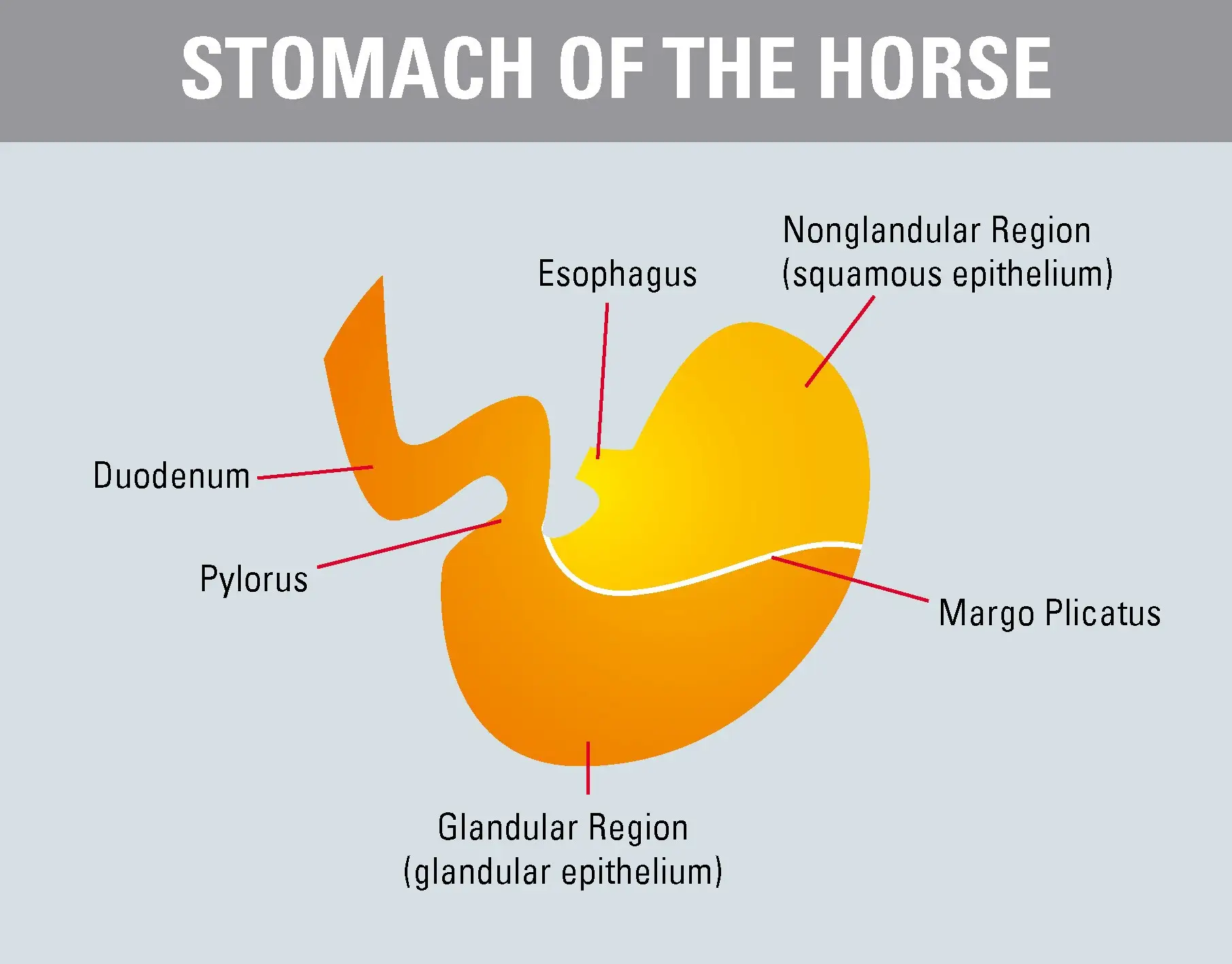
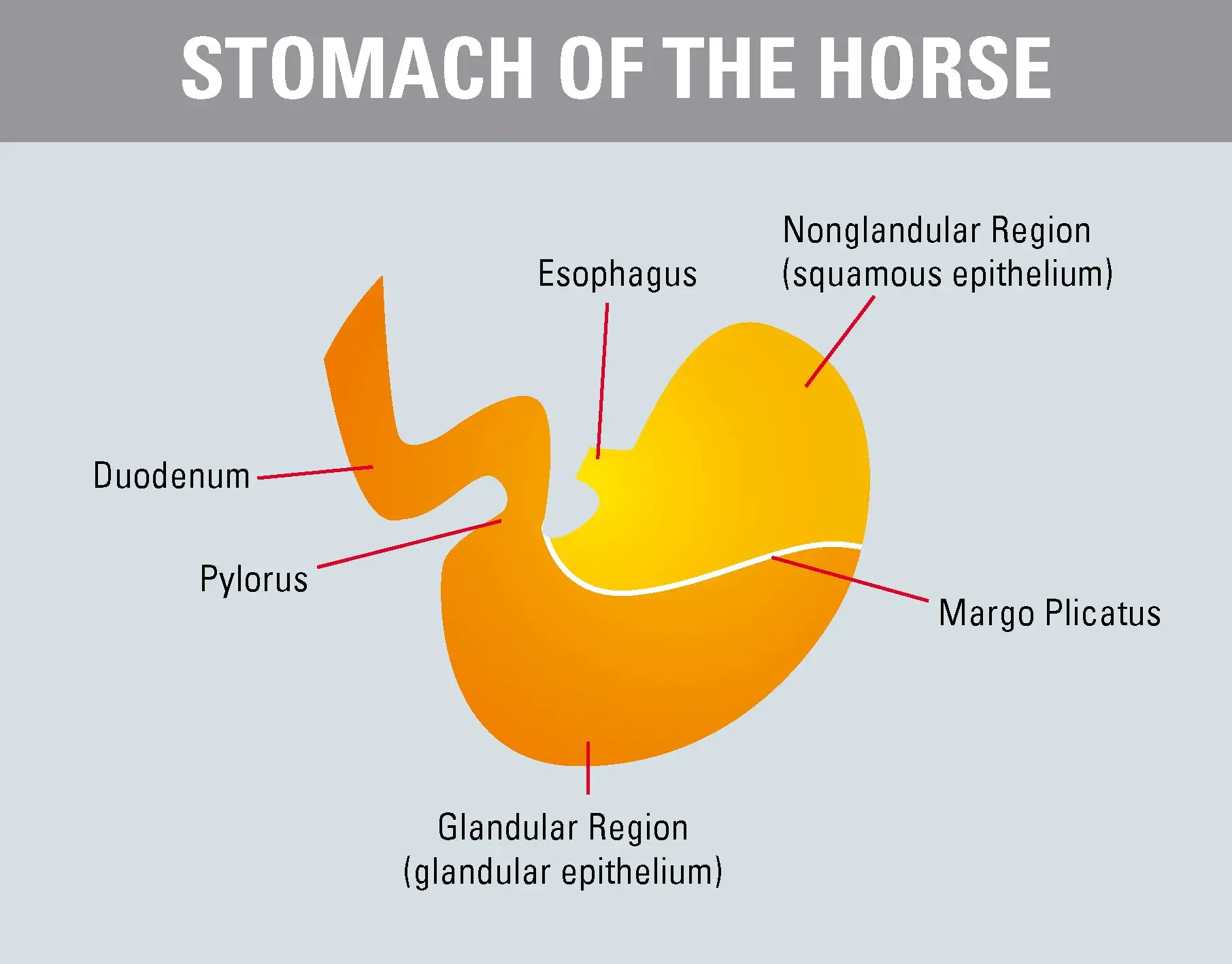
Equine Gastric Ulcer Syndrome (EGUS) is often framed as a “Thoroughbred problem,” but reality tells a very different story. Studies suggest EGUS affects up to 90% of performance horses and a significant proportion of leisure horses. While racehorses may approach a near 99% prevalence, ulcers are also widespread in show horses, jumpers, endurance athletes, ponies, and even feral populations. This clarifies that EGUS is not a breed-specific issue, but a management one. The common thread is not the Thoroughbred; it is the way we care for horses in modern environments that often conflict with their natural biology.
Horses Are Designed to Forage, Not Restricted Feeding Regimes
Horses are designed to be continuous foragers. If allowed, they spend 16–18 hours a day roaming, browsing and chewing fibre-rich plants. This constant intake stimulates chewing, saliva production, buffering stomach acid, while the act of foraging stimulates vagal tone, reducing stress. When we interrupt this natural pattern with restricted forage and intermittent feeding, we remove key protective mechanisms, and this increases the risk of gastric ulceration.
Why Modern Management Increases EGUS Risk
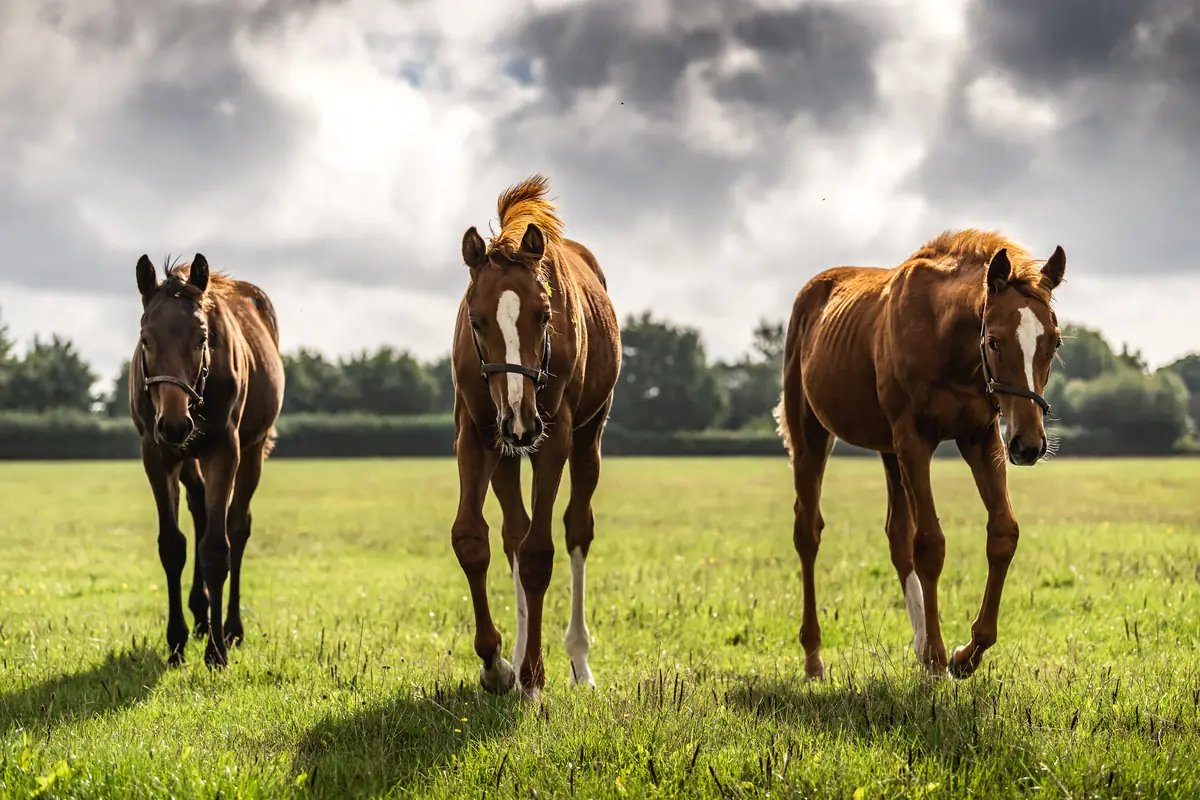
Despite best intentions, human convenience often dictates equine management. Anthropomorphism plays a role; owners may feel they are providing comfort with a tidy hay net and a “cosy” stable. But from the horse’s perspective, welfare is better defined by the “three Fs”: forage, friends and freedom to move. Stall confinement, limited turnout and meal feeding directly oppose these needs, creating conditions where issues like EGUS can run rife.
Feeding Strategies to Support Gastric Health
Encouraging Natural Foraging Behaviour
Thoroughbreds in training frequently experience these constraints most acutely, with high-starch diets, restricted forage and exercise on relatively empty stomachs. However, this does not make the breed inherently fragile; it reflects the intensity of their management. Encouraging natural foraging behaviour is key. Offering multiple fibre sources such as hay, haylage, alfalfa and beet pulp can improve intake, particularly in horses transitioning out of racing. Offering forage in social, outdoor settings can further promote natural behaviour.
Simple Nutritional Strategies to Help Reduce Ulcer Risk
Simple nutritional strategies can also help. Providing forage before exercise creates a fibrous mat in the stomach, reducing acid splash. Likewise, choosing low-starch, high-fibre feeds such as Red Mills Care range products can support digestive health.
Management, Not Breed, Is the Key
Ultimately, EGUS is not about breed, it is about how closely we align management with the horse’s natural way of living.
This article was originally written by Sorcha O’Connor (RED MILLS expert equine nutritionist and qualified veterinary surgeon) for a TREO EILE feature in The Irish Field and has been adapted here as part of the Nutritional Hub.
Related webinar
To learn more about Equine Gastric Ulcer Syndrome (EGUS), watch our webinar with TREO EILE.
Watch here: https://youtu.be/unImckiUxeY?si=oNO9wt144X0ztdU0