Why Is My Overweight Horse Lacking Energy?
When Low Energy Isn’t About More Calories but the Right Balance of Nutrition
While it may seem contradictory, it’s actually a very common situation. The important thing to understand is that when we talk about a horse having “more energy”, we’re not always talking about calories.
When owners say their horse lacks energy, they often mean:
- Feels lazy or reluctant to go forward
- Lacks sparkle under saddle
- Tires easily in work
- Feels flat or behind the leg
In many cases, this isn’t because the horse needs more feed.
Why More Feed Isn’t Always the Answer
If your horse is already carrying excess weight, simply increasing their feed intake can create more problems than it solves.
Adding more traditional concentrates or high-calorie feeds may:
- Increase weight gain
- Put extra strain on joints and muscles
- Make weight management more difficult
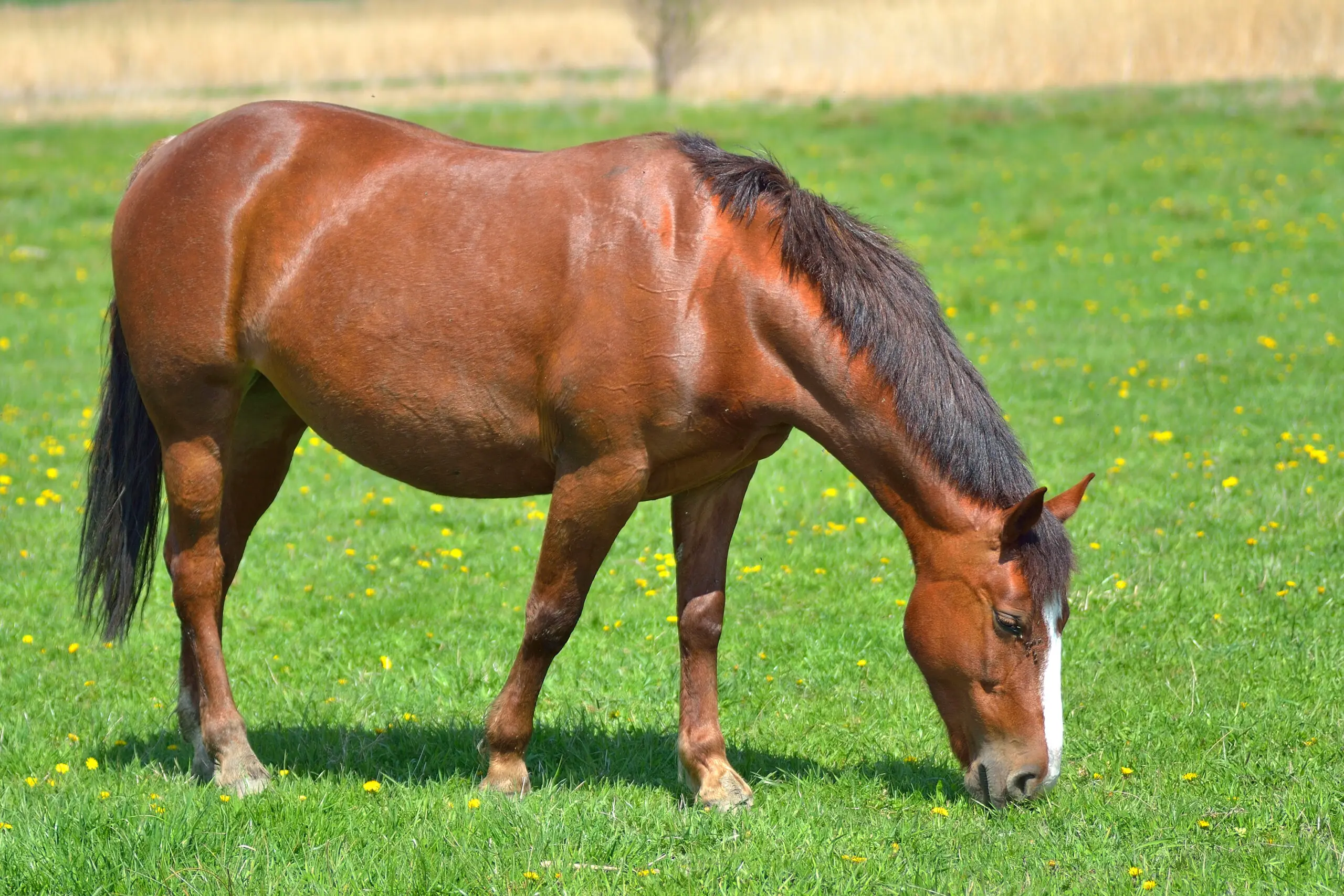
The goal isn’t to feed more calories—it’s to make sure your horse is getting the right nutrition.
Why Can an Overweight Horse Lack Energy?
There are several reasons why an overweight horse may seem low on energy.
Nutritional Deficiencies
Even horses that are overweight can be lacking essential nutrients.
A diet that is mainly forage or restricted for weight control may not provide enough:
- Vitamins and minerals
- Essential amino acids (the building blocks of muscle)
- Nutritional support for normal muscle function, performance and recovery
These deficiencies can affect muscle function, stamina and overall wellbeing.
Fitness and Excess Body Weight
Sometimes the issue isn’t nutrition at all.
Carrying extra weight can make work harder, and horses that aren’t fit enough for their workload can naturally feel sluggish and tire more quickly.

The Type of Energy Matters
Not all energy sources have the same effect.
- High-starch feeds provide quick-release energy and can cause peaks and troughs.
- Fibre and oil-based diets provide slow-release energy that is more sustained and manageable.
For overweight horses, slow-release energy is usually the preferred option.
A Smarter Way to Feed an Overweight Horse
The aim should be to:
- Support performance and wellbeing
- Maintain or reduce body weight where needed
- Provide essential nutrients without unnecessary calories
Supporting Energy Levels with a Low-Calorie Balancer
A low-calorie balancer can be an ideal solution for horses that need nutritional support without additional weight gain.
Balancers provide:
- Concentrated vitamins and minerals
- High-quality protein and amino acids
- Very few calories

This means your horse can receive the nutrients they need without increasing their daily calorie intake significantly.
Connolly’s RED MILLS PerformaCare Balancer is specifically designed for horses and ponies on controlled or restricted diets.
Key benefits include:
- Low calorie feeding rate
- Very low starch and non-heating formulation
- High-quality amino acids to support muscle maintenance and topline
- Comprehensive vitamin and mineral support
- Digestive support with yeast and prebiotics
- Antioxidants to support recovery and immune function
- Elevated biotin levels to support hoof quality
For many horses, correcting nutritional shortfalls can make a noticeable difference to how they look, feel and perform.
Supporting Weight Management and Performance
Feeding is only one part of the equation.
To help improve energy levels and performance:
- Ensure your horse is fit enough for the work being asked of them
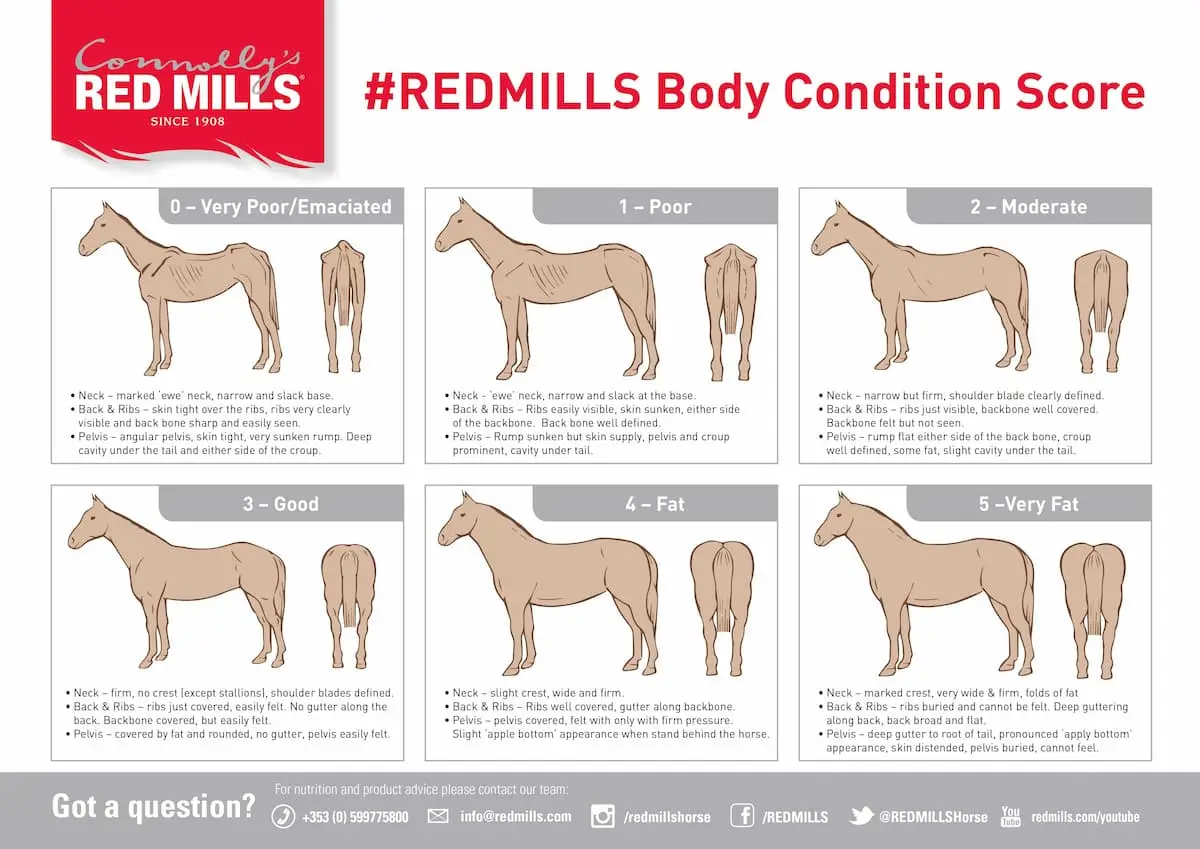
- Monitor body condition score regularly
- Aim for a healthy, ideal body weight
- Consider recovery needs after exercise, including electrolyte and antioxidant support where appropriate
Often, the less excess weight a horse has to carry, the easier it is for them to move comfortably and work efficiently.
Key Takeaways if your horse is overweight but lacking energy:
- Don’t simply add more feed or calories
- Don’t remove all feed and risk nutritional deficiencies
- Focus on providing balanced nutrition
- Use a low-calorie balancer to support health and performance
- Choose fibre-based, slow-release energy sources where needed
- Combine good nutrition with appropriate exercise and weight management
Sometimes the answer isn’t more calories—it’s better nutrition.