How to Improve Horse Topline and Condition
Healthy condition and topline are achieved differently, but both depend on the right nutrition and exercise to support weight gain, muscle development and performance.
The good news is that improving condition and topline doesn’t have to mean feeding large amounts of high-energy feed. Success comes from providing the right nutrition alongside the right exercise programme.
Why Has My Horse Lost Condition and Topline?
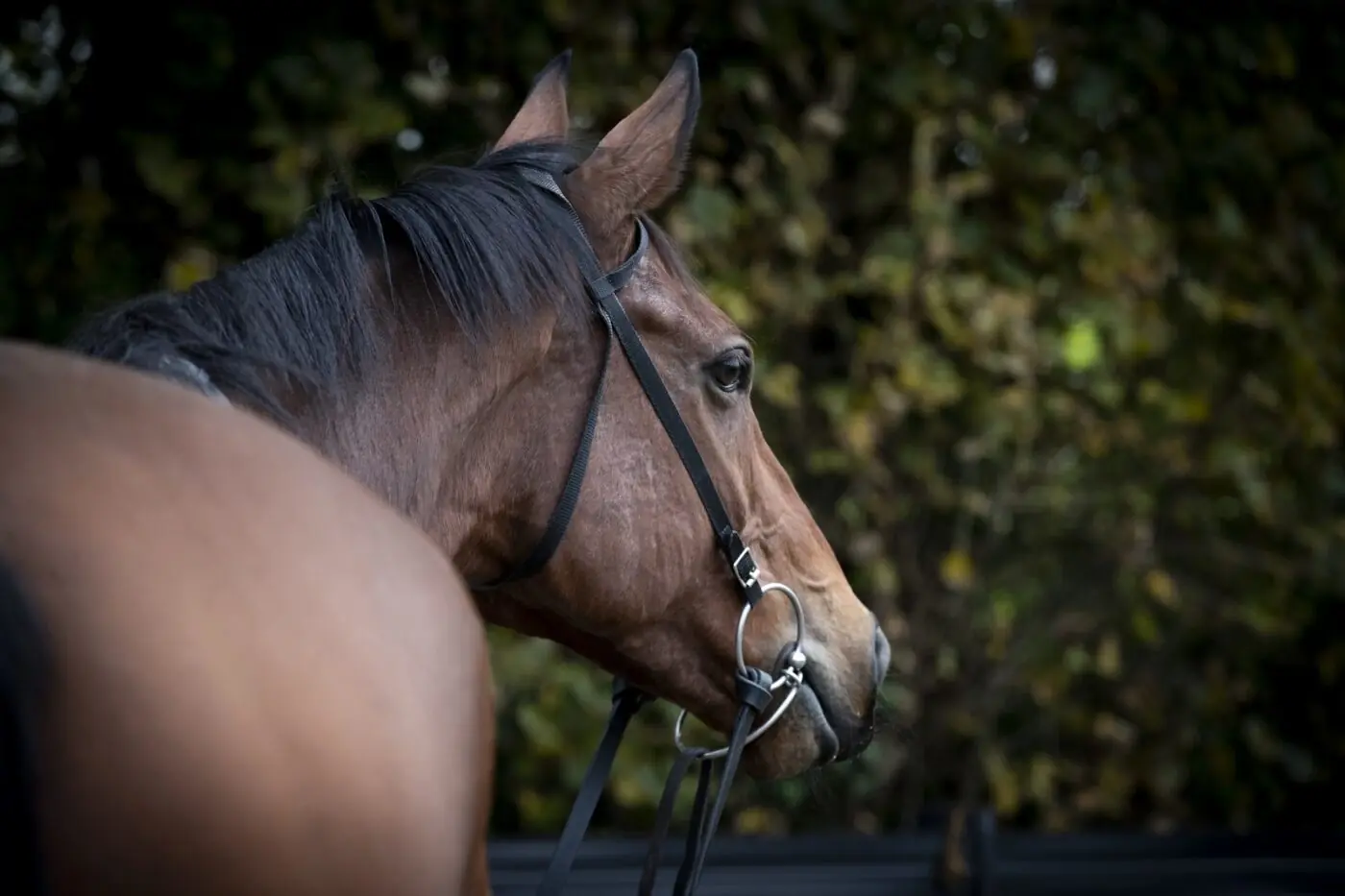
Horses can lose condition and topline for a variety of reasons, including increased workload, inadequate calorie intake, poor-quality forage, illness, age, dental problems or an unbalanced diet. Identifying the underlying cause is the first step towards promoting healthy weight and muscle.
What Is the Difference Between Horse Condition and Topline?
These two terms are often used together, but they aren’t the same thing.
What is Horse Condition?
Condition refers to your horse’s body weight and fat cover.
What is Horse Topline?
Topline refers to the muscles along the neck, back and hindquarters that give your horse strength, shape and athletic appearance.

A horse can gain weight without improving topline, and a horse can improve topline without gaining significant weight.
Understanding the difference helps you choose the most appropriate feeding plan.
How to Improve Horse Condition and Topline Through Nutrition
1. Provide Enough Calories to Support Healthy Weight Gain
If your horse has lost weight or is struggling to maintain condition, they need more calories than they are currently consuming.
The first place to start is always forage.
- Offer plenty of good-quality forage
- Allow ad-lib forage where appropriate
- Support the diet with additional calorie sources if needed
Feeds designed for condition typically provide calories from:
- Fibre
- Oil
- In some cases, cereals
Oil is an especially effective source of calories, providing significantly more energy than cereals while helping to support healthy weight gain.
2. Feed Quality Protein to Support Muscle Development
When it comes to topline, protein quality matters just as much as calorie intake.
Muscle development relies on essential amino acids such as lysine and methionine, which act as the building blocks for muscle repair and growth.
Without adequate quality protein, horses may struggle to build or maintain topline, even when they are receiving enough calories.

3. Combine Nutrition with the Right Exercise
This is one of the most important points to remember.
Feed provides the nutrients needed to support muscle development, but exercise is what stimulates muscle growth.
No feed alone can create topline.
A suitable exercise programme, tailored to your horse’s age, fitness and workload, is essential for developing strength and muscle.
Can You Improve Your Horse's Condition Without Making Your Horse Fizzy?
Many owners worry that increasing feed will make their horse sharp or difficult to manage. The secret is choosing the right energy sources.
Choosing Slow-Release vs Fast-Release Energy Sources
Some feeds provide quick-release energy, while others provide slower, more sustained energy.
Fast-release energy:
- Typically comes from cereals such as oats and barley
- Can increase excitability in some horses
Slow-release energy:
- Comes from fibre and oil sources
- Provides steady, controlled energy
- Supports weight gain without the highs and lows associated with high-starch diets
Ingredients such as alfalfa, sugar beet, soya hulls and linseed are excellent examples of slow-release energy sources.
This makes them ideal for:
- Horses needing to gain weight
- Horses that are naturally sharp or sensitive
- Horses needing condition without excitability
Best Feeds for Horse Condition and Topline
A High-Calorie Top Dressing for Condition and Topline
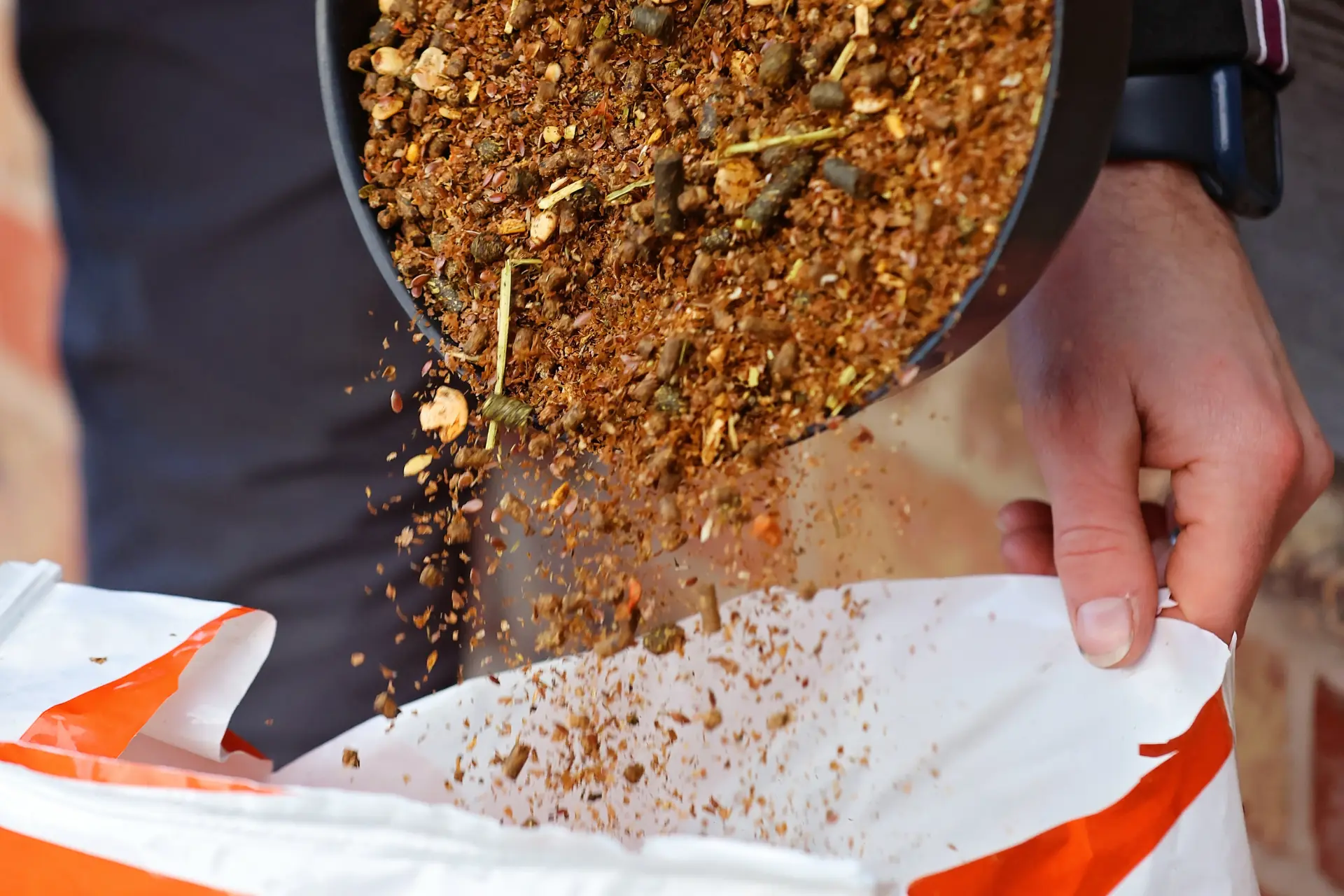
Connolly’s RED MILLS Define & Shine is designed to help support both condition and topline.
Benefits include:
- High in oil for concentrated calories
- Contains quality protein and amino acids
- Supports healthy weight gain
- Helps maintain and develop muscle
- Supports coat condition and shine
- Low starch and non-heating formulation
It can be added to an already balanced diet to provide additional calories and nutritional support where required.

Low-Starch Conditioning Feeds for Healthy Weight Gain
For horses that need extra condition while remaining on a low-starch diet, suitable options include:
- Connolly’s RED MILLS Horse Care ULTRA Cubes
- Connolly’s RED MILLS Horse Care ULTRA Mix
- Connolly’s RED MILLS Horse Care Mash
These feeds:
- Are low in sugar and starch
- Provide calories from fibre and oil
- Support healthy weight gain
- Help maintain a calm temperament
- Are suitable for horses requiring controlled energy sources
They can also be useful for horses with metabolic concerns that require a lower starch diet.
How Long Does it Take to Regain Condition and Topline?
Building condition and topline is a gradual process.
Regaining your Horse’s Condition
Weight gain can often be seen within a few weeks when the diet is adjusted appropriately.
Building your Horse’s Topline
Muscle development takes longer and requires consistent nutrition, exercise and management over time.
Setting realistic expectations helps ensure long-term success.
Key Takeaways for Improving Your Horse’s Condition and Topline
If your horse needs more condition and topline:
DON’T
❌ Rely solely on high-cereal feeds
❌ Assume weight gain equals muscle gain
❌ Expect feed alone to build topline
DO’S
- Increase calories using fibre and oil-based energy sources
- Provide quality protein to support muscle development
- Combine feeding with an appropriate exercise programme
- Choose low-starch options if your horse is sensitive or prone to excitability
- Feed smaller, energy-dense meals more frequently to support digestive health
The best results come from a balanced approach that supports healthy weight gain, muscle development and overall wellbeing.