Feeding Horses with Laminitis, EMS & PPID: What You Need to Know
A Low-Sugar, High-Fibre Diet Is Key to Managing Laminitis, EMS & PPID
If your horse has laminitis, Equine Metabolic Syndrome (EMS) or PPID (Cushing’s disease), the right diet can play a vital role in supporting their health and reducing the risk of future laminitis episodes. Feeding a low-sugar, low-starch, high-fibre diet while providing balanced vitamins, minerals and quality protein helps support metabolic health, hoof quality and overall wellbeing.

Why Diet Matters for Laminitic Horses and Those with EMS or PPID
Many cases of laminitis are linked to metabolic conditions such as EMS and PPID.
These horses often struggle to process sugars normally, which can lead to high insulin levels. Elevated insulin is now recognised as one of the major triggers for laminitis.
Simply put: it’s not just about weight gain—it’s about how your horse’s body handles sugar.
Keep Sugar & Starch Low
For horses with laminitis, EMS or PPID, a low sugar, low starch diet is essential.
Avoid:
❌ Cereal-based feeds
❌ High sugar and starch feeds
❌ Large amounts of rich, lush grass
Focus on:
✅ High fibre forage – carry out a forage analysis!
✅ Soaked hay if advised
✅ Controlled grazing
✅ High-fibre feeds
The aim is to minimise non-structural carbohydrates (NSC), including sugars and starches, to help support a healthy insulin response.

Restrict Calories, Not Nutrition
Don’t starve your horse. While weight management may be important, horses should never be put on a crash diet.
Restricting feed too severely can create additional health problems and may even worsen metabolic issues.
The goal is steady, controlled weight management, while ensuring your horse still receives the nutrients they need every day.
Why Nutritional Balance Still Matters
Many horses with laminitis, EMS or PPID are on restricted grazing or reduced feed rations.
While this helps control calorie intake, it can also reduce the supply of essential nutrients.
Even on a restricted diet, your horse still needs:
✔ Vitamins and minerals
✔ Quality protein to support muscle maintenance
✔ Nutritional support for hoof, digestive and immune health
Reducing calories should never mean compromising nutrition.
A Practical Feeding Plan
1. Build the Diet Around Forage
Forage should form the foundation of the diet.
- Feed low-sugar hay – carry out a forage analysis to check your hay’s nutritional value
- Speak to a nutritionist about introducing straw to their diet
- Manage grass intake carefully
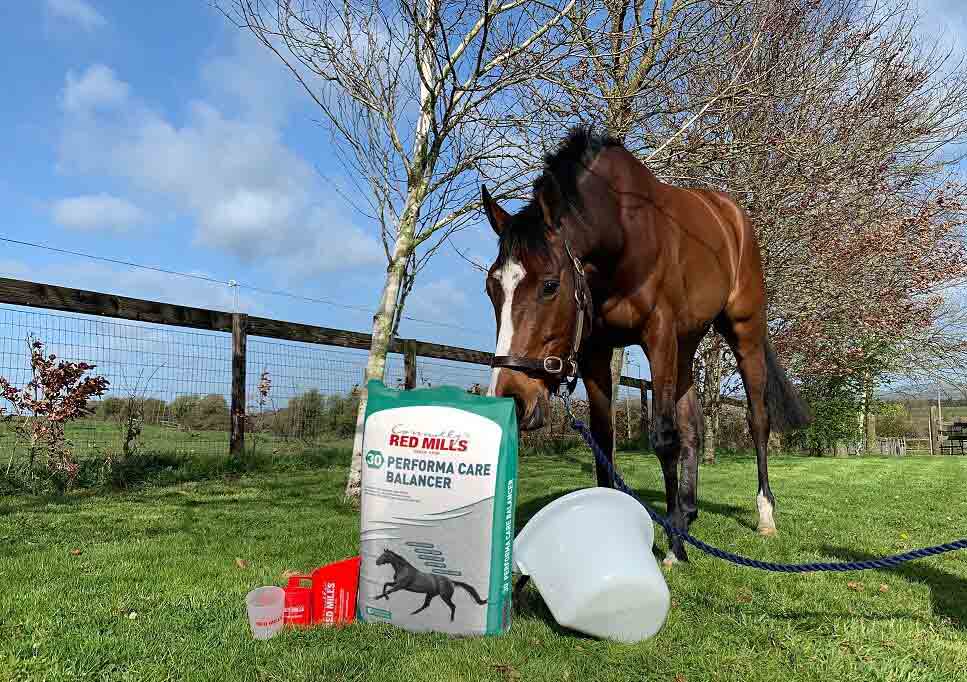
2. Add a Low-Calorie Balancer
A low-calorie balancer can help provide essential vitamins, minerals and amino acids without adding unnecessary calories.
Connolly’s RED MILLS PerformaCare Balancer is specifically designed for horses and ponies on controlled or restricted diets.
Benefits include:
✅ Very low sugar and starch
✅ Low calorie feeding rate
✅ High-quality amino acids for muscle support
✅ Comprehensive vitamin and mineral balance
✅ Supports hoof, digestive and immune health
This allows you to reduce calories safely while still meeting your horse’s nutritional requirements.
Add Safe Calories If More Condition Is Needed
Not every laminitic horse or horse affected by EMS or PPID is overweight.
Some horses may struggle to maintain weight or lose condition during management.
When extra calories are needed, choose feeds that provide energy from fibre and oil rather than cereals.
Suitable options include:
- Connolly’s RED MILLS Horse Care ULTRA Cubes
- Connolly’s RED MILLS Horse Care ULTRA Mix
- Connolly’s RED MILLS Horse Care Mash
These feeds are:
✅ Low in sugar and starch
✅ High in fibre
✅ Suitable for horses prone to laminitis
✅ Designed to provide safe calories without relying on cereals
Feed Little and Often to Help Support a Stable Insulin Response
How you feed is just as important as what you feed.
Smaller meals throughout the day help support a more stable insulin response.
Large meals can lead to bigger insulin spikes, which may increase laminitis risk.
Think of it as trickle feeding rather than feeding large meals.
Can Horses with Laminitis, EMS or PPID Eat Grass?
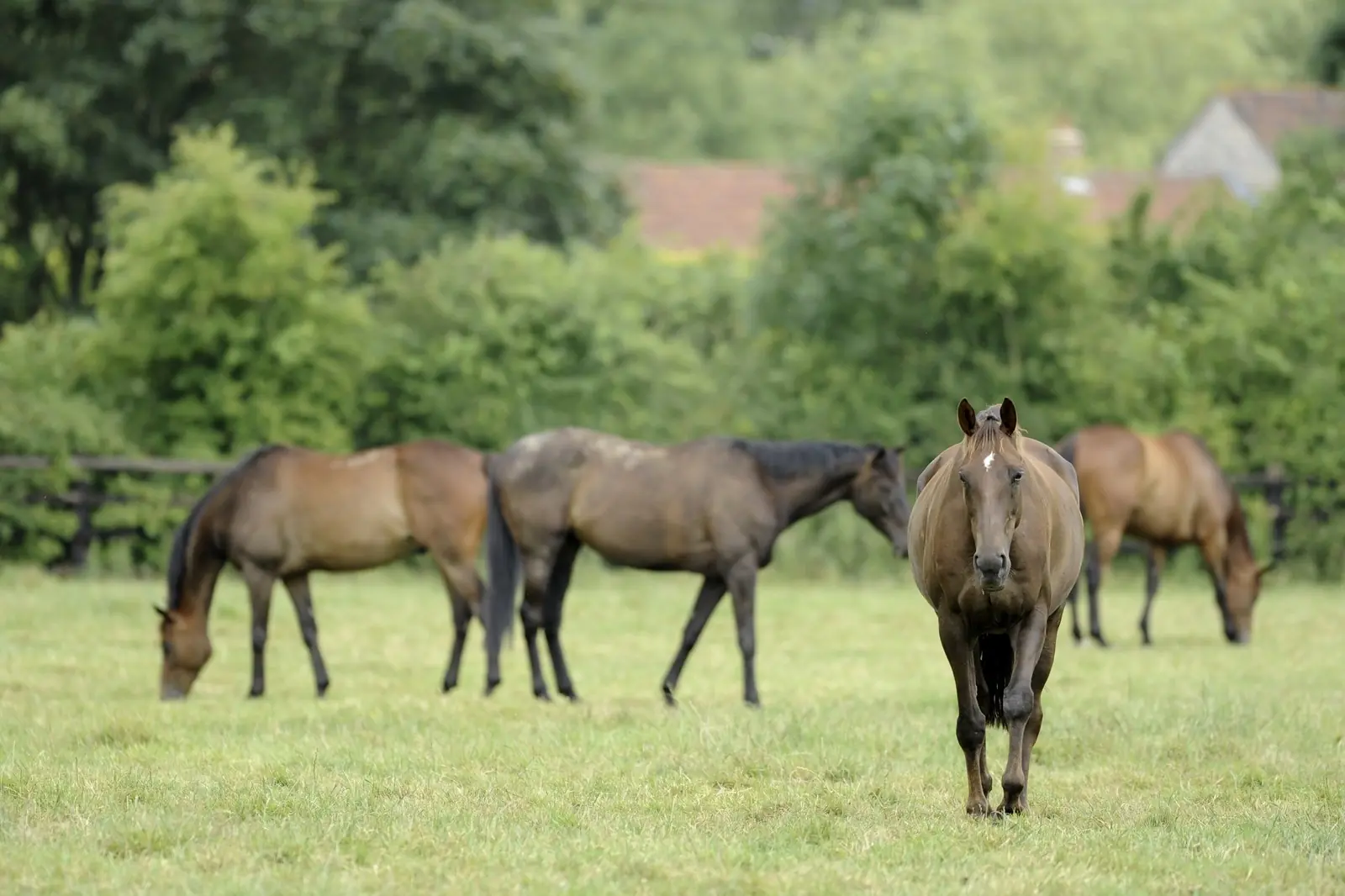
Many horses with laminitis, EMS or PPID can still graze, but grass intake often needs to be carefully managed. Lush pasture—particularly during spring and autumn or after cool, sunny weather—can contain higher levels of sugars that may increase the risk of laminitis in susceptible horses. Depending on your horse’s condition, your vet or nutritionist may recommend restricted turnout, strip grazing or the use of a grazing muzzle.
Supporting Horses with Laminitis, EMS & PPID Beyond Feeding
Alongside a suitable diet:
✅ Monitor body condition regularly
✅ Manage grass intake, particularly during spring and autumn
✅ Introduce exercise where appropriate and approved by your vet
✅ Work closely with your vet, farrier and nutritionist
Key Takeaways for Feeding Horses with Laminitis, EMS & PPID
AVOID
❌ Avoid high sugar and high starch feeds
❌ Avoid severe feed restriction or starvation
❌ Avoid large meals
DO’S
✅ Feed a low sugar, high fibre diet
✅ Balance the diet with essential vitamins and minerals
✅ Use fibre and oil-based calories if extra condition is needed
✅ Feed little and often
The right nutrition can play a vital role in helping your horse stay healthy, comfortable and supported for the long term.