My Horse Is Overweight – Do I Need to Feed Anything at All?
Overweight Horses and Ponies Still Need Essential Nutrients – The Goal Is to Reduce Calories, Not Nutrition
If your horse is carrying too much weight, it’s natural to want to avoid adding extra calories. But while weight management is important, it’s equally important to make sure your horse still receives the vitamins, minerals, quality protein and amino acids they need to stay healthy. An overweight horse can still develop nutritional deficiencies if their diet isn’t properly balanced.
Can an Overweight Horse or Pony Be Deficient in Essential Nutrients?
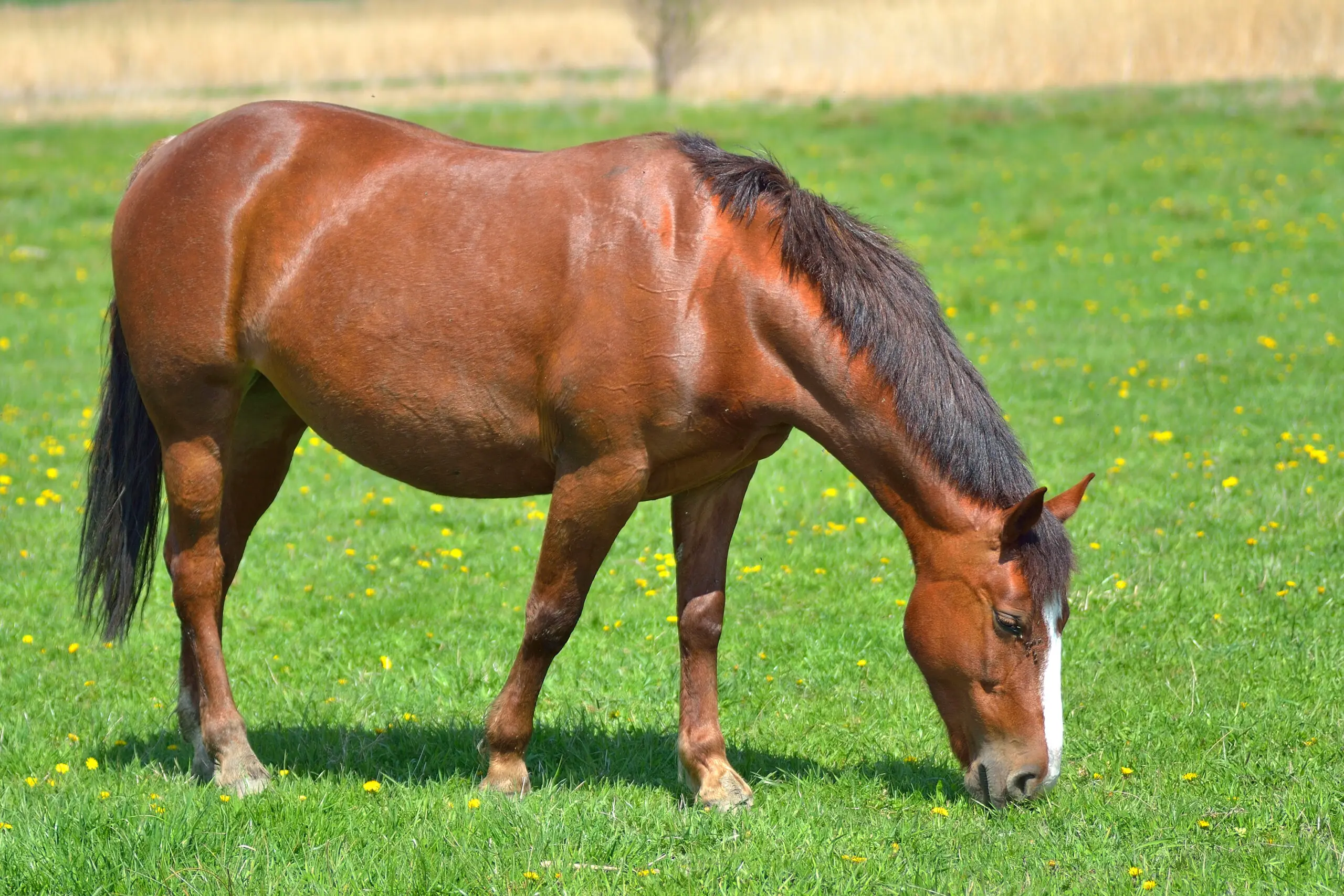
Many overweight horses and ponies maintain their weight — or even gain weight — on forage alone.
As a result, owners often remove all hard feed from the diet.
While this may help reduce calorie intake, it can also create an unintended problem:
An overweight horse can have excess body fat while still lacking essential nutrients, including vitamins, minerals and amino acids needed to support health, muscle maintenance and normal body function.
Why Forage Alone Isn’t Always Enough
Grass and hay provide valuable fibre and energy, but they don’t always supply all the vitamins, minerals and amino acids your horse requires.
This becomes even more important when:
✅ Grazing is restricted
✅ A grazing muzzle is being used
✅ Turnout time is limited
✅ The diet is mainly hay or haylage
✅ The nutritional quality of forage is unknown
Even good-quality forage can be low in certain key nutrients.

What Nutrients Might Be Missing from a Forage-Only Diet?
When horses receive little or no hard feed, they may not get enough:
- Vitamins such as A, D and E
- Essential minerals including copper, zinc and selenium
- Trace elements needed for overall health
- Important amino acids such as lysine, which is often limited in forage-based diets
These nutrients play a vital role in keeping your horse healthy, even when calorie intake needs to be controlled.
Why Balanced Nutrition Matters During Weight Loss
Nutritional deficiencies don’t always show up immediately, but over time they can affect:
- Hoof quality and growth
- Coat and skin condition
- Muscle maintenance and topline
- Immune function
- Overall health and wellbeing
The goal isn’t simply to reduce calories.
The goal is to reduce calories while maintaining a fully balanced diet. Successful weight loss isn’t about feeding less of everything — it’s about feeding fewer calories while continuing to meet your horse’s nutritional requirements.
Why a Low-Calorie Balancer Is Often the Best Choice
For many overweight horses and ponies, a balancer can be an ideal option.
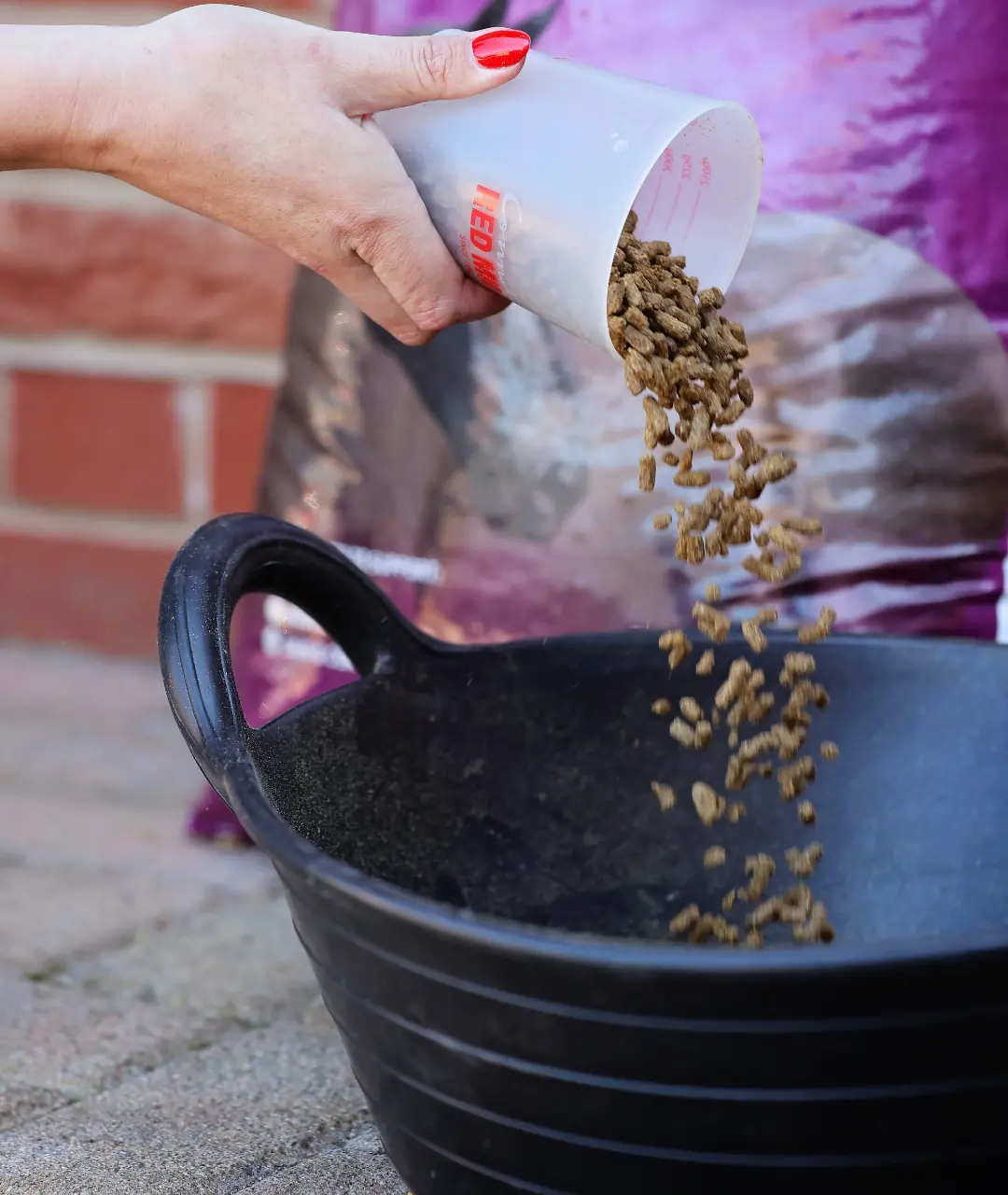
A balancer provides concentrated nutrition without the calories typically associated with traditional feeds.
It delivers:
✔ Essential vitamins and minerals
✔ Quality protein and amino acids
✔ Nutritional support in a small daily serving
✔ Minimal calories and starch
This means you can support your horse’s health without encouraging further weight gain.

How RED MILLS PerformaCare Balancer Supports Nutritional Needs Without Adding Calories
Connolly’s RED MILLS PerformaCare Balancer has been specifically designed for horses and ponies on restricted or controlled diets.
Key benefits include:
✅ Low calorie feeding rate
✅ Very low starch and non-heating formulation
✅ High-quality amino acids, including lysine, to support muscle maintenance and topline
✅ Comprehensive vitamin and mineral support
✅ Digestive support with yeast and prebiotics
✅ Antioxidants to help support immunity and recovery
✅ Added biotin to support hoof quality
It provides the nutrients your horse needs without adding unnecessary calories to the diet.
Top Tips for Managing Overweight Horses and Ponies
Alongside a balanced feeding programme, effective weight management should include:
✅ Controlled grazing where necessary
✅ Soaking hay if advised by your nutritionist or vet
✅ Regular exercise appropriate for your horse’s fitness level
✅ Routine body condition scoring to track progress
Small changes, monitored consistently, often produce the best long-term results.
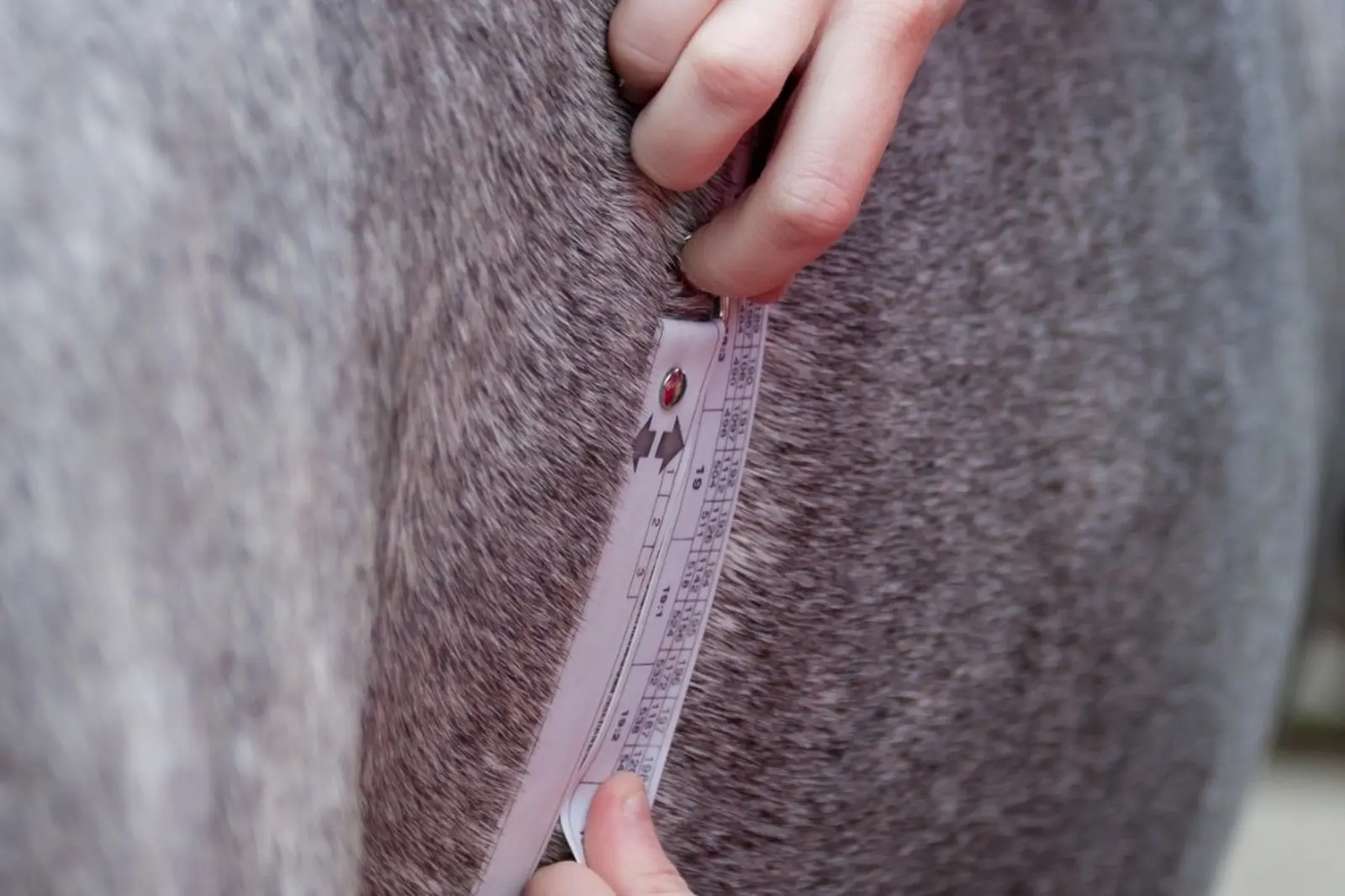
Key Takeaways for Overweight Horses and Ponies
DONT’S:
❌ Don’t assume they don’t need any additional nutrition
❌ Don’t remove all feed and risk nutritional deficiencies
❌ Don’t add traditional concentrate feeds that may increase calorie intake unnecessarily
DO’s
✅ Focus on reducing calories, not nutrients
✅ Support the diet with essential vitamins, minerals and amino acids
✅ Use a low-calorie balancer to help maintain overall health
✅ Combine good nutrition with sensible weight management, regular exercise and routine body condition scoring for healthy, sustainable weight loss.
Remember: an overweight horse still has nutritional requirements. The key is meeting those needs without adding any unnecessary calories.