Frosty Grass & Laminitis Risk in Horses | What Every Owner Should Know
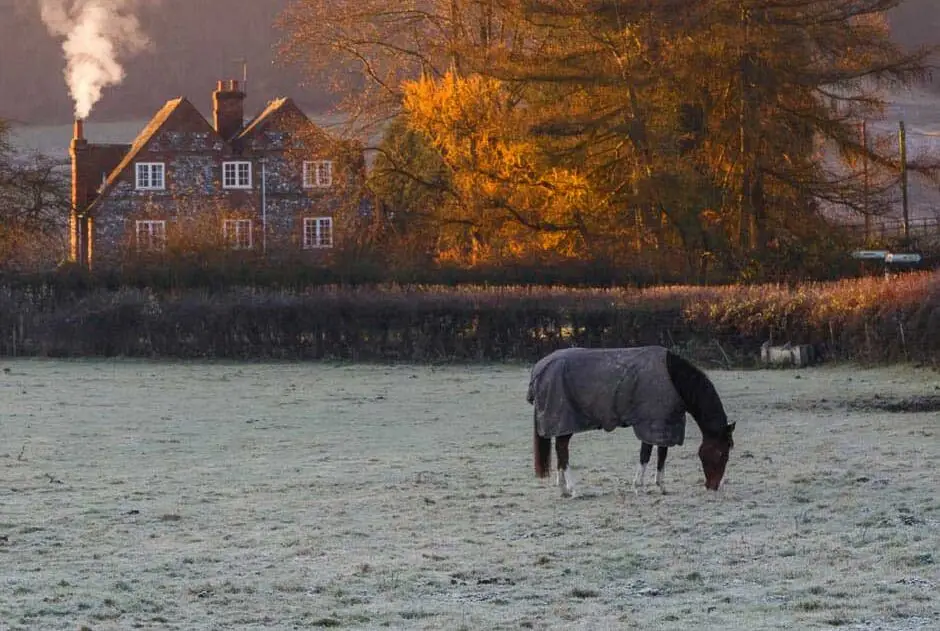
The longer nights, plummeting temperatures and wet conditions mean that caring for our horses is more challenging and takes a little extra effort. Each winter we see a correlation between a rise in cases of laminitis and cold frosty nights.
How Frosty Grass Can Increase Laminitis Risk
During the day in warm, sunny weather grass makes sugars by a process known as photosynthesis and then utilises these sugars in order to grow. However, environmental conditions associated with winter months such as bright sunny winter days, coupled with low overnight temperatures and early morning frosts, means that sugar levels in the grass can be exceptionally high at this time of year. This is because, provided there is enough sunlight, the grass will continue to photosynthesise and produce sugar, but as it is not warm enough for the grass to grow, the sugar does not get used up and therefore accumulates in the grass.
Managing Turnout on Frosty Days
For horses and ponies suffering from a metabolic disease or prone to laminitis this can be particularly problematic. These equines should avoid a high sugar diet to prevent any laminitic eposides. For these horses and ponies, turnout is not recommended until the grass has thoroughly thawed and the temperature is above 5°C. This might be in the mid afternoon in autumn/spring or not at all. You will have to keep an eye on the forecast if you want to turn out with as less risk possible.
Feeding Horses Prone to Laminitis in Winter
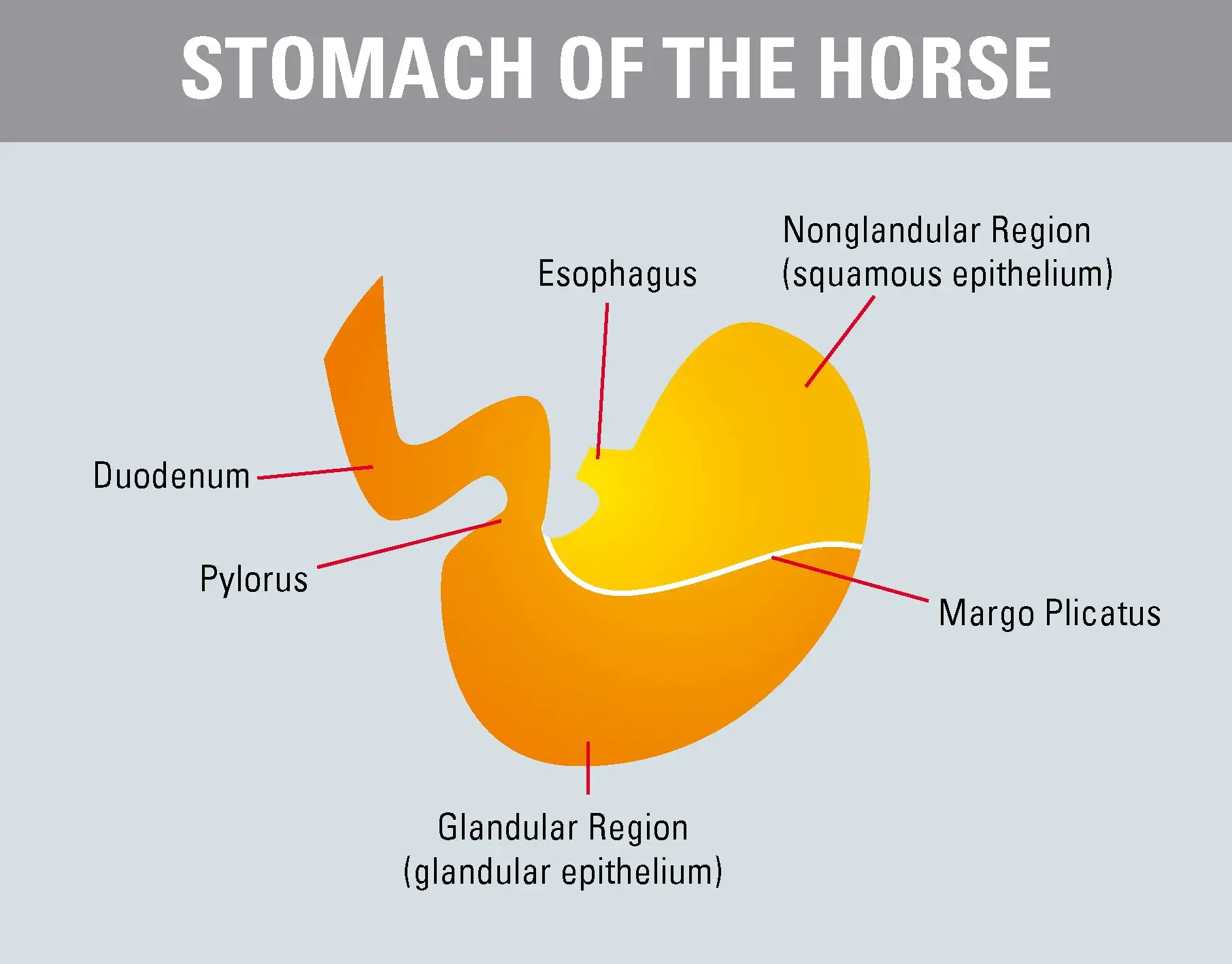
Even when turnout is restricted, it is important that you continue to ensure your horse or pony receives adequate forage. This will help to limit the risk of problems such as gastric ulcers, colic, and stereotypic behaviours, all of which are associated with inadequate forage intake. For horses and ponies prone to laminitis, a low sugar hay is ideal and should be fed at no less than 1.5% bodyweight on a dry matter basis per day. This will keep them occupied while ensuring their gut stays healthy and limiting the NSC (non-structural carbohydrates like starch and sugar) part of their diet.
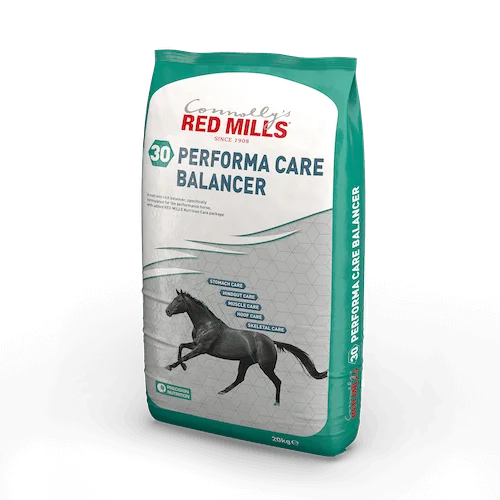
Horses and ponies suffering from laminitis or metabolic conditions will also need a hard feed specifically formulated to contain controlled levels of starch and sugar (NSCs). Luckily, there are a number of feeds in the Connolly’s RED MILLS Care Range that fit this criteria, including PerformaCare Balancer.
This nutrient-dense balancer is ideal for horses and ponies that maintain weight on forage alone, also known as “good doers”, as is often the case for horses and ponies prone to laminitis. As well as providing optimal levels of all the essential vitamins and minerals necessary for overall health, PerformaCare Balancer contains our unique Care package. This includes two prebiotics, a natural yeast, anti-inflammatory antioxidants and nutritionally significant levels of biotin, all of which are particularly beneficial for horses and ponies prone to laminitis.
Read more about feeding horses and ponies prone to laminitis here: Feeding to avoid laminitis.

Now is an excellent time to re-evaluate your horse’s diet and management to ensure they remain healthy and in optimal condition over the upcoming months.


Related Products






If you would like to discuss your horse or ponies individual needs then please contact our expert nutritional team.

#FeedYourDesireToWin